
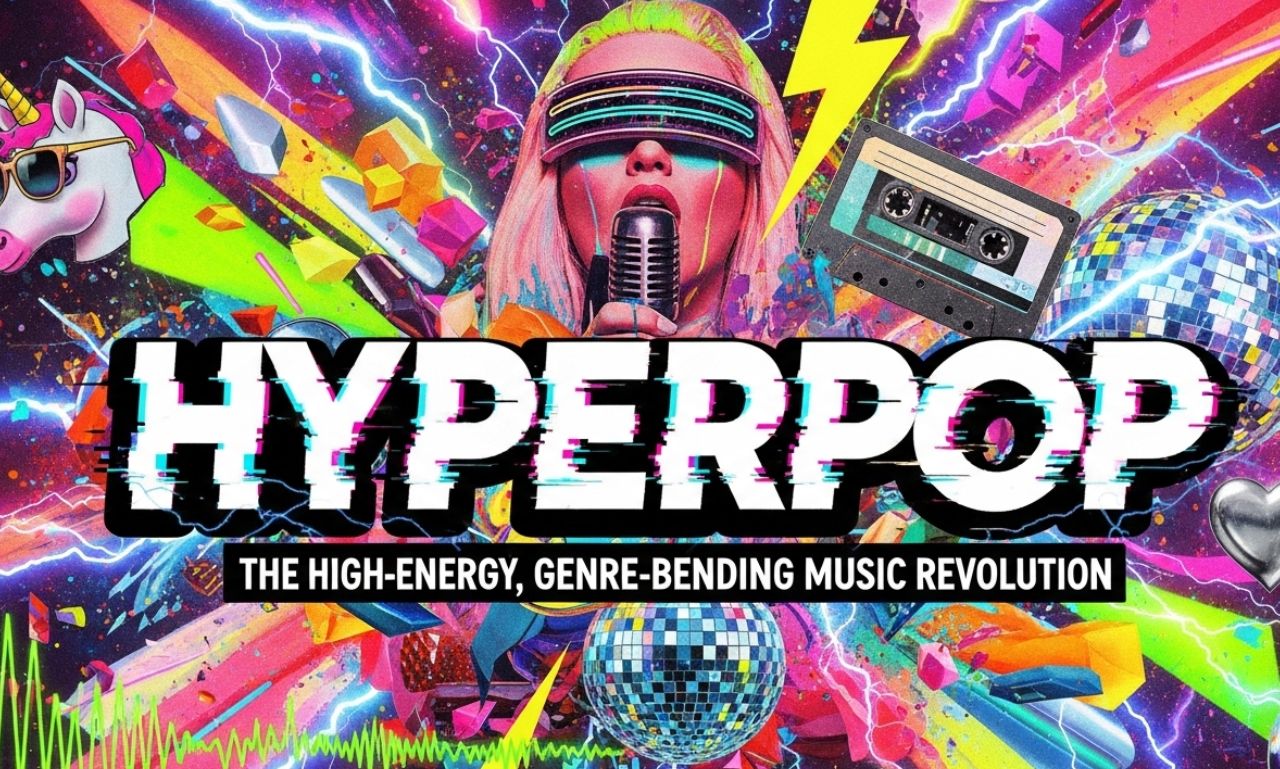
Hyperpop is a music genre that pushes the boundaries of pop, blending electronic beats, distorted vocals, and experimental production to create an exaggerated, maximalist sound. Characterized by high-pitched melodies, fast tempos, and a futuristic aesthetic, hyperpop has emerged as one of the most exciting and innovative movements in contemporary music.
Originating in the late 2010s, hyperpop gained mainstream attention through artists and collectives on platforms like SoundCloud and Spotify. The genre challenges traditional pop conventions, embracing digital culture, internet aesthetics, and DIY production.
Origins and Influences
Hyperpop draws inspiration from a variety of musical styles:
-
Pop and Bubblegum Pop: Catchy hooks and melodies form the foundation.
-
Electronic and EDM: Heavy use of synths, glitch effects, and electronic manipulation.
-
Hip-Hop and Rap: Vocal pitch-shifting, trap beats, and experimental rhythms.
-
Emo and Punk: Emotional expression and DIY ethos influence lyrical themes.
The term “hyperpop” was popularized by the record label PC Music, founded by A. G. Cook, which helped define the genre’s maximalist, futuristic style.
Key Characteristics
Hyperpop is known for its distinctive sound and visual aesthetics:
-
Exaggerated Vocals: Often pitch-shifted, auto-tuned, or heavily processed for dramatic effect.
-
Rapid Tempos: High-energy beats that make songs feel urgent and chaotic.
-
Genre-Bending: Combines elements of pop, electronic, rap, and experimental music.
-
Futuristic Visuals: Bright, digital artwork and surreal music videos reflect online culture.
This combination creates music that feels both chaotic and polished, capturing the digital age’s energy.
Notable Artists
Hyperpop has produced a variety of influential artists, including:
-
Charli XCX – Pioneer of mainstream hyperpop with albums like how i’m feeling now.
-
100 gecs – Known for chaotic, genre-defying sound and experimental production.
-
Rina Sawayama – Combines pop, rock, and hyperpop elements in boundary-pushing music.
-
Sophie – Influential in shaping hyperpop’s avant-garde electronic style.
These artists have brought hyperpop to international audiences while maintaining its experimental roots.
Hyperpop in the Digital Era
The rise of hyperpop is closely tied to online platforms:
-
SoundCloud and Bandcamp: Enabled independent artists to share music globally.
-
TikTok: Viral trends and short-form videos have boosted hyperpop’s popularity.
-
Streaming Services: Spotify playlists like “Hyperpop” help centralize and promote the genre.
Hyperpop thrives in the digital ecosystem, where remix culture and community-driven creativity are celebrated.
Cultural Impact
Hyperpop reflects and shapes youth culture in several ways:
-
Identity and Expression: Embraces LGBTQ+ and non-binary artists, encouraging self-expression.
-
Internet Aesthetics: Influences fashion, visuals, and meme culture.
-
Genre Fluidity: Encourages listeners and artists to challenge musical boundaries and expectations.
The genre’s emphasis on maximalism, emotional intensity, and digital creativity resonates with a generation immersed in online culture.
Criticisms and Challenges
Hyperpop also faces criticism:
-
Some listeners find its high-energy, distorted sound overwhelming or chaotic.
-
Commercialization risks diluting the genre’s experimental roots.
-
Rapid trends can make the scene feel fragmented or niche.
Despite these challenges, hyperpop continues to grow, pushing pop music into new creative territories.
Conclusion
Hyperpop is a revolutionary music genre that blends pop, electronic, rap, and experimental sounds to create high-energy, futuristic music. With its bold vocals, genre-bending production, and internet-driven aesthetic, hyperpop challenges traditional boundaries while celebrating individuality and creativity. From PC Music pioneers to global stars, the genre continues to evolve, reflecting the dynamic culture of the digital age.