
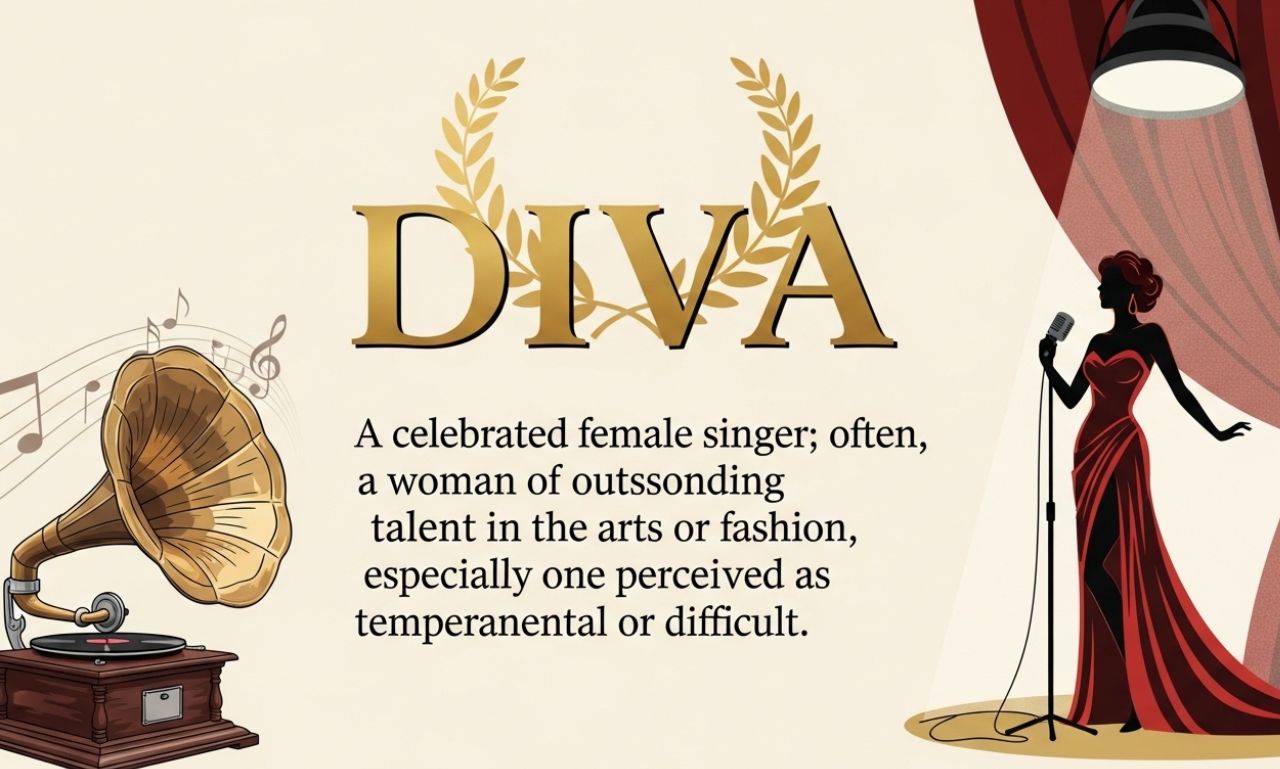
The term diva is widely used today to describe a celebrated female performer, especially in music, but its origins and deeper meaning reveal a rich cultural history. Over time, the word has evolved from describing operatic excellence to symbolizing talent, glamour, and sometimes a strong personality. Understanding what it truly means to be a diva requires exploring its linguistic roots, historical use, and modern interpretations.
Definition of Diva
A diva originally referred to a distinguished female opera singer renowned for exceptional skill, stage presence, and artistry. The word comes from the Italian language, where diva literally means “goddess.” In contemporary use, it can also describe any highly talented or prominent woman in entertainment, particularly in music or performance.
While the term often carries positive connotations of talent and charisma, it has also acquired a secondary meaning implying a demanding or high-maintenance personality.
The Origins of the Word Diva
The word diva emerged in Italy during the 18th and 19th centuries, coinciding with the golden age of opera. Female opera stars who captivated audiences with their vocal ability and dramatic performances were called divas. These women were often seen as both artists and celebrities, admired for their skill and presence.
Famous operatic divas, such as Maria Callas, embodied the essence of the term. They not only delivered impeccable performances but also influenced fashion, culture, and public perception of female performers.
Evolution of the Term in Modern Culture
As music genres expanded beyond opera, the concept of a diva evolved. Today, pop, R&B, and even film actresses can be referred to as divas. Legendary figures such as Aretha Franklin and Beyoncé exemplify modern divas through talent, influence, and stage presence.
In contemporary culture, the term is sometimes used playfully to describe a woman with confidence, flair, and self-assurance, rather than strictly talent alone. The modern diva combines artistry with persona, branding, and charisma.
Diva Traits and Characteristics
Several traits are commonly associated with being a diva:
-
Exceptional talent: The core of being a diva is skill and mastery in one’s craft.
-
Charisma and presence: Divas captivate audiences, commanding attention on stage or screen.
-
Confidence: A diva exudes self-assurance, often unapologetically asserting her identity.
-
High standards: Whether in performance or personal expectations, divas maintain excellence.
-
Public persona: Modern divas often cultivate an image, influencing fashion, social causes, or trends.
These traits help distinguish a true diva from someone merely famous or talented.
Positive and Negative Connotations
While the term diva celebrates talent and influence, it can also imply difficult behavior. Critics sometimes use it to describe someone perceived as demanding, temperamental, or self-centered.
The dual meaning reflects society’s complex views on powerful women. In many cases, being labeled a diva is both a compliment and a cautionary description of personality traits that accompany fame.
Divas in Entertainment and Media
Divas have long shaped popular culture, especially in music and film. Their influence extends beyond performances, impacting fashion, lifestyle, and social commentary. Media coverage often amplifies their presence, highlighting achievements as well as controversies.
Modern entertainment frequently celebrates diva culture, portraying it as a blend of talent, confidence, and glamour. Reality TV, award shows, and social media platforms provide spaces where diva personas can thrive and inspire fans.
Why Diva Culture Matters
Understanding the concept of a diva sheds light on broader cultural themes, including celebrity influence, gender dynamics, and artistry. The term reflects how society admires skill while negotiating expectations of female behavior.
Divas inspire others by demonstrating how talent, determination, and self-expression can command respect and admiration. They also challenge societal norms, showing that women can embrace ambition, confidence, and individuality simultaneously.
The Diva Legacy
The legacy of the div a continues to evolve, embracing new genres, technologies, and social movements. From opera houses to pop arenas, the essence of the div a—a powerful, talented, and captivating woman—remains relevant.
For aspiring performers, the term represents not only talent but also the pursuit of excellence and the courage to define one’s presence in the world. Being a di va is about commanding space, setting high standards, and leaving a lasting impression.
Conclusion
The term div a has transformed over centuries from its operatic origins to a symbol of modern talent, charisma, and influence. While it sometimes carries mixed connotations, at its heart, it celebrates extraordinary skill and presence. Whether in music, film, or performance art, di vas continue to captivate audiences, inspire others, and shape culture.
By understanding the definition, history, and cultural significance of the di va, we appreciate not only the artistry behind the term but also its impact on society and popular culture.