
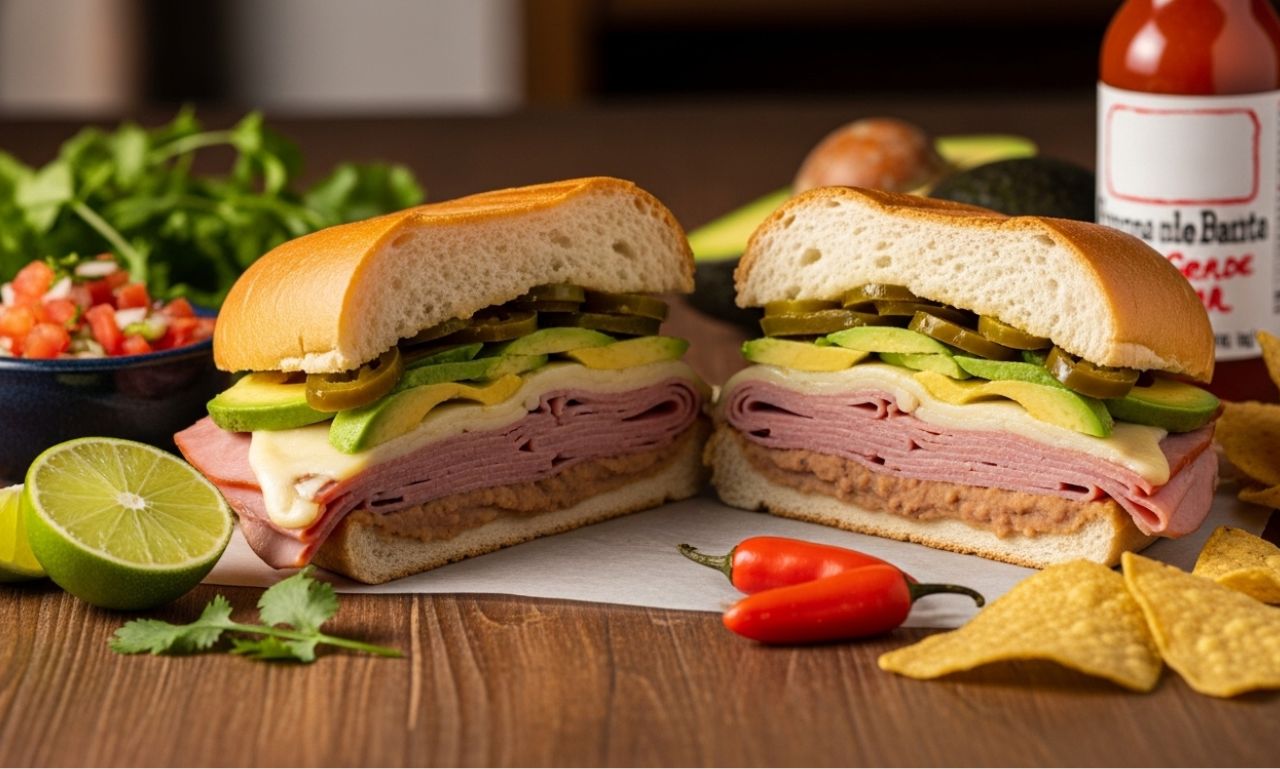
The word torta refers to a versatile and beloved dish in many cultures, often used to describe either a type of sandwich, cake, or pastry depending on the region. Searching for torta online reveals interest in both traditional Mexican tortas, Italian tortas, and other regional variations. From street food to gourmet versions, torta has captured the hearts of food enthusiasts worldwide.
This article explores the history, types, preparation methods, and cultural significance of torta, giving readers insight into why it is such a beloved culinary delight.
What Is a Torta?
Mexican Torta
In Mexico, a torta is a popular sandwich made using a soft roll called bolillo or telera, stuffed with various ingredients such as:
-
Meats: carne asada, milanesa, chicken, or carnitas
-
Vegetables: lettuce, tomatoes, onions, avocado
-
Cheese: queso fresco, Oaxaca cheese
-
Condiments: mayonnaise, salsa, mustard, or refried beans
Mexican tortas are enjoyed as street food or casual meals, often served warm and pressed on a grill.
Italian Torta
In Italy, the word torta refers to a cake or pastry rather than a sandwich. Italian tortas include:
-
Torta della Nonna: a custard and pine nut cake
-
Torta Caprese: a chocolate and almond cake from Capri
-
Fruit tortas: seasonal cakes with fresh fruits and cream
Italian tortas are typically served as desserts or during special celebrations, showcasing the country’s rich baking tradition.
History of the Torta
The concept of the torta varies by region, but its origins reflect local culinary adaptations.
-
In Mexico, the torta sandwich emerged during the 19th and 20th centuries as a convenient, portable meal for workers and students. Street vendors popularized it across towns and cities.
-
In Italy, torta cakes have roots in medieval and Renaissance baking traditions, with recipes passed down through generations and often associated with festive occasions.
Today, tortas have transcended borders and are enjoyed globally in restaurants, bakeries, and homes.
Popular Types of Torta
Mexican Torta Varieties
-
T orta de Milanesa – Breaded meat, avocado, and fresh vegetables
-
T orta de Jamón – Ham, cheese, and condiments
-
T orta Ahogada – Drenched in spicy tomato sauce, popular in Guadalajara
-
T orta de Pollo – Grilled or shredded chicken with toppings
-
T orta Cubana – A loaded sandwich with multiple meats, cheese, and jalapeños
Italian Torta Varieties
-
T orta di Mele – Apple cake often served with cinnamon
-
T orta Caprese – Chocolate and almond cake
-
T orta della Nonna – Cream-filled pastry with pine nuts
-
T orta di Ricotta – Ricotta-based cheesecake
-
Seasonal Fruit Torta – Fresh fruit atop a pastry or sponge base
How to Make a Simple Torta at Home
Mexican Sandwich-Style
Ingredients:
-
Bolillo or telera rolls
-
Cooked meat (chicken, beef, or pork)
-
Sliced avocado, lettuce, tomatoes, onions
-
Mayonnaise, mustard, or salsa
-
Cheese (optional)
Instructions:
-
Slice the roll horizontally.
-
Spread mayonnaise or your choice of sauce.
-
Add the meat and cheese.
-
Layer vegetables like avocado, lettuce, and tomatoes.
-
Close the sandwich, press slightly, and serve warm.
Italian Cake-Style
Ingredients:
-
2 cups flour
-
1 cup sugar
-
1/2 cup butter
-
3 eggs
-
1 cup milk
-
Flavorings like cocoa, fruit, or ricotta
Instructions:
-
Preheat oven to 350°F (175°C).
-
Mix butter and sugar until creamy.
-
Add eggs and milk gradually.
-
Fold in flour and flavorings.
-
Pour batter into a greased pan and bake for 35–40 minutes.
-
Cool before serving; optionally add powdered sugar or fruit topping.
Cultural Significance
-
Mexico: Tor tas are a symbol of street food culture, community, and fast, satisfying meals. Street vendors and local cafes celebrate t rtas as part of daily life.
-
Italy: Italian to rtas are tied to family traditions, holidays, and celebrations. They reflect regional ingredients and centuries-old recipes.
T ortas, whether as sandwiches or cakes, embody comfort, tradition, and creativity in food culture.
Tips for Enjoying
-
Experiment with Fillings or Flavors – Mix meats, cheeses, vegetables, or fruits to create your favorite combination.
-
Serve Fresh – Tor tas taste best when served fresh or slightly warm.
-
Pair with Drinks – Mexican tort as go well with aguas frescas or soda; Italian to rtas pair with coffee or dessert wine.
-
Consider Local Variations – Try regional tor tas to experience authentic flavors.
Conclusion
Whether you are searching for a to rta sandwich on the street or an Italian to rta cake for dessert, this dish is a testament to culinary diversity and creativity. From hearty Mexican sandwiches to delicate Italian cakes, tor tas offer delicious flavors that appeal to all ages. Learning about to rtas, experimenting with recipes, and exploring cultural variations allows food enthusiasts to enjoy this classic dish in multiple ways.