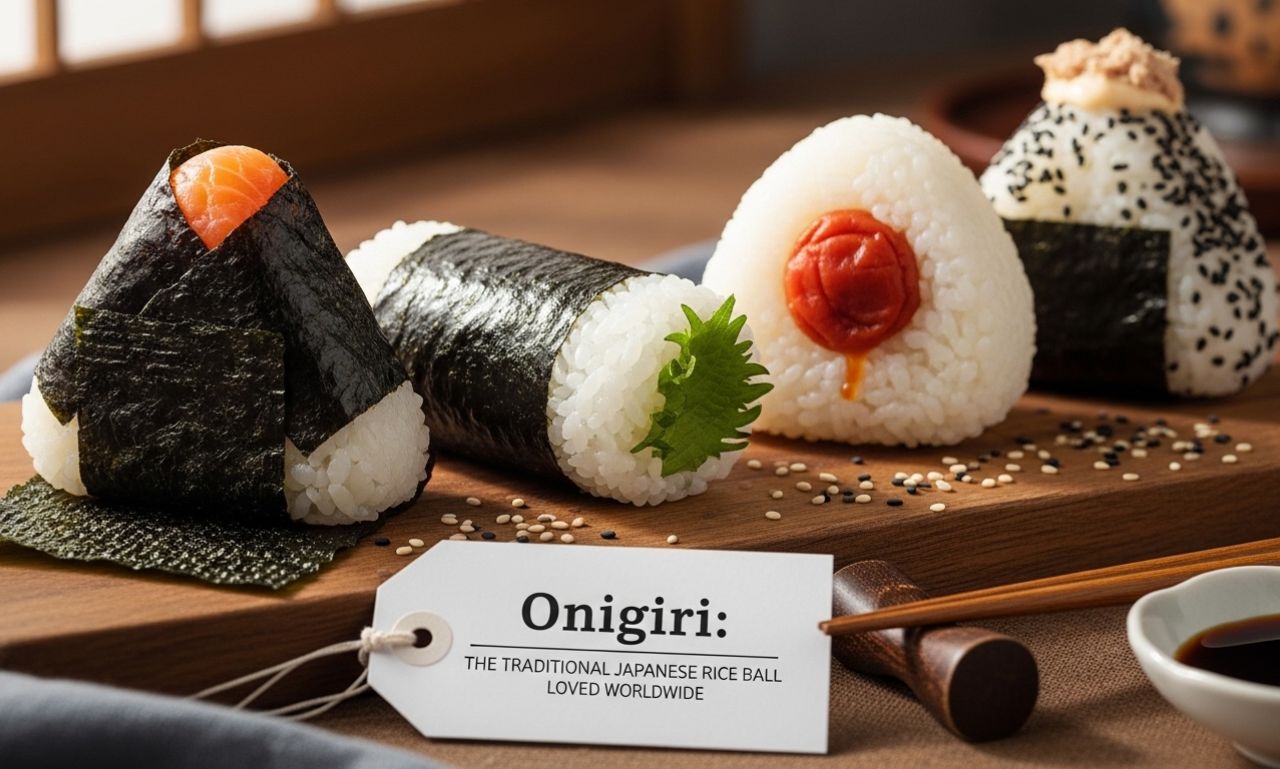
Onigiri is one of the most recognizable and beloved foods in Japanese cuisine. Simple in appearance yet rich in cultural meaning, onigiri has been a daily staple in Japan for centuries. Made from seasoned rice and filled with savory ingredients, onigiri is valued for its portability, comfort, and versatility. From homemade lunches to convenience store shelves, onigiri continues to play an important role in modern food culture.
What Is Onigiri?
Oni giri is a Japanese rice ball formed by hand using cooked short-grain rice. The rice is lightly salted and usually wrapped around a flavorful filling. Unlike sushi, oni giri rice is not mixed with vinegar, giving it a mild taste that pairs well with many ingredients.
Traditionally shaped into a triangle or oval, oni giri is often wrapped in nori seaweed to improve flavor and make it easier to hold. It is commonly eaten as a snack, lunch item, or quick meal.
The History of Onigiri
Ancient Origins of Onigiri
The history of oni giri dates back more than a thousand years. Early rice balls were created as a practical food for travelers, farmers, and warriors who needed an easy-to-carry meal. Salt was used to preserve the rice and protect it from spoilage.
As rice farming became widespread in Japan, oni giri evolved into a common household food, especially among working families.
Onigiri in Traditional Japanese Life
Over time, onig iri became closely associated with home cooking. Parents often prepare oni giri for their children’s school lunches, and it is frequently included in bento boxes. This emotional connection has helped onig iri remain popular across generations.
Common Types of Onigiri
Classic Onigiri Fillings
Traditional oni giri fillings are salty or savory to balance the plain rice. Popular choices include salted salmon, pickled plum, seasoned tuna, and simmered seaweed. These ingredients are not only flavorful but also help preserve freshness.
Regional Onigiri Styles
Different regions of Japan offer unique oni giri variations. Coastal areas may use local seafood, while rural regions often feature vegetables or miso-based fillings. These styles highlight local flavors and traditions.
Modern and Creative Onigiri
Modern onig iri has expanded beyond tradition. Today, fillings may include fried chicken, curry, cheese, or plant-based options. These contemporary versions have helped introduce oni giri to international audiences.
Ingredients Used in Onigiri
Rice Selection
Authentic oni giri uses Japanese short-grain rice. Its sticky texture allows the rice to hold together without being compressed too tightly.
Fillings and Seasonings
Fillings are placed in the center of the rice ball and can vary widely. Light salting is essential, as it enhances flavor and supports food safety.
Nori Seaweed
Nori adds umami flavor and texture to onig iri. Some versions keep the nori separate until eating to maintain crispness.
How Onigiri Is Made
Preparing the Rice
Freshly cooked rice is allowed to cool slightly before shaping. A small amount of salt is applied to the hands to season the rice evenly.
Shaping the Onigiri
The filling is placed in the center, and the rice is gently formed around it. Proper onig iri is shaped lightly to allow air inside, creating a soft texture.
Wrapping and Serving
Onigiri can be served plain or wrapped in nori. It is best eaten fresh but can be stored for short periods depending on the filling.
Cultural Importance of Onigiri
Onigiri as a Symbol of Care
In Japanese culture, oni giri represents care and affection. A homemade rice ball is often seen as a thoughtful gesture, especially when prepared for loved ones.
Onigiri in Media and Pop Culture
Oni giri frequently appears in anime, manga, and television shows. These portrayals have helped spread awareness of oni giri beyond Japan.
Health Benefits of Onigiri
Balanced Nutrition
Oni giri can be a balanced meal when paired with nutritious fillings. Rice provides carbohydrates for energy, while fish, vegetables, and seaweed add protein and minerals.
Portion Control and Convenience
The compact size of oni giri makes it easy to control portions. It is a convenient option for busy lifestyles without excessive calories.
Adaptable for Special Diets
Oni giri can be customized for vegetarian, vegan, or low-fat diets, making it accessible to a wide audience.
Onigiri vs Sushi
Although often confused, onig iri and sushi are distinct dishes. Sushi uses vinegared rice and is typically served with raw fish, while oni giri uses plain rice with cooked or preserved fillings.
Oni giri is casual and portable, while sushi is usually enjoyed as a sit-down meal.
Global Popularity
Onigiri Outside Japan
As Japanese cuisine has grown globally, oni giri has become more widely available. Many international restaurants and specialty shops now feature oni giri.
Onigiri in Modern Food Trends
Food bloggers and social media creators have embraced oni giri for its simplicity and visual appeal. This has contributed to its rising popularity worldwide.
The Future
With its adaptability and cultural appeal, oni giri is expected to continue growing as a global comfort food.
Conclusion
Oni giri is more than just a rice ball—it is a symbol of Japanese tradition, care, and everyday nourishment. From its ancient roots to its modern interpretations, oni giri remains a timeless food enjoyed by millions.
Its simplicity, versatility, and emotional value ensure that oni giri will continue to be loved both in Japan and around the world.