
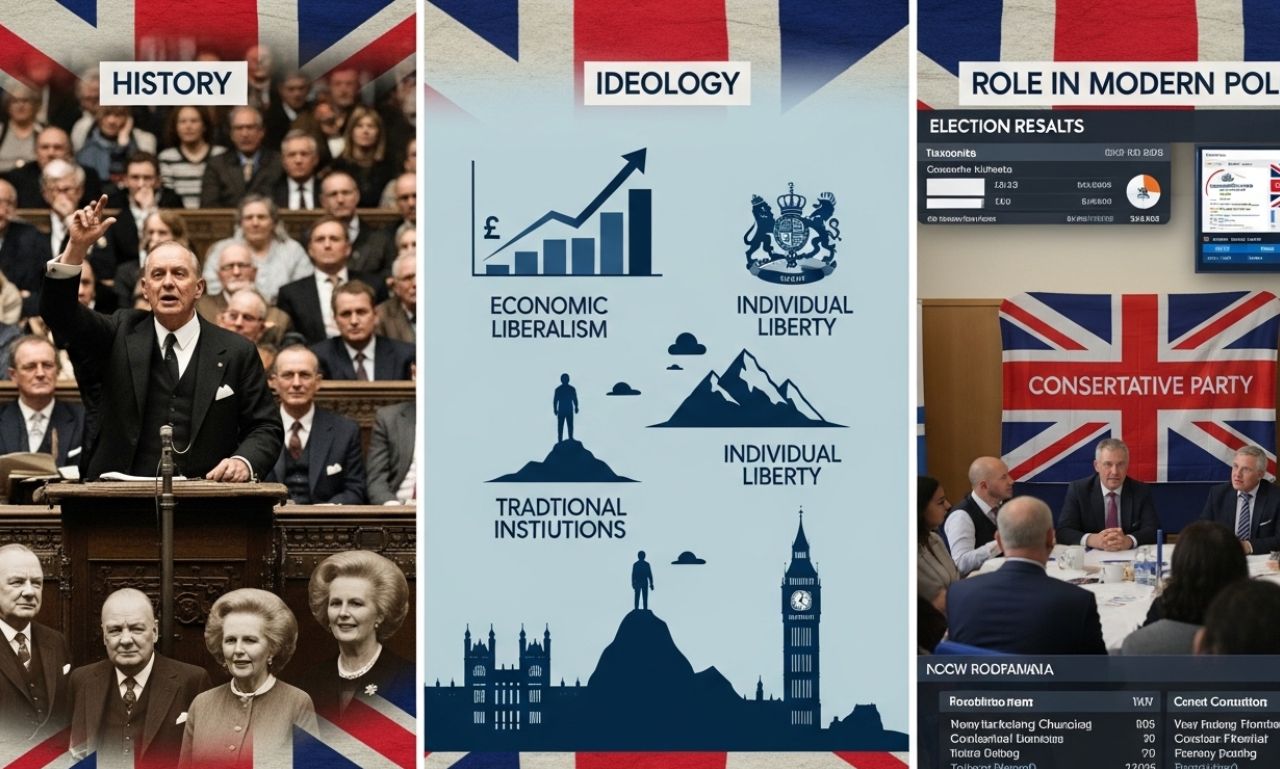
The term “Tories” refers to members and supporters of the United Kingdom’s conservative political tradition, primarily associated with the Conservative Party. Over time, the word has evolved from a historical label into a modern political identity representing a wide range of beliefs centered on tradition, free markets, and strong national governance. Understanding the Tories provides valuable insight into British politics, policy-making, and global influence.
Historical Background of Tories
The origins of the Tories date back to the late 17th century in England. Initially, the term was used todescribe a political faction that supported the monarchy and the established Church of England.
Early Development
The early Tories emerged during a time of political conflict between supporters of the monarchy (Tories) and supporters of parliamentary supremacy (Whigs). The Tories were known for:
- Loyalty to the crown
- Support for traditional institutions
- Resistance to rapid political change
Over time, the Tories evolved into a more structured political group, eventually forming the foundation of modern conservative politics in the UK.
Transition to Modern Conservatism
By the 19th century, the Tories transformed into what is now recognized as the Conservative Party. They adopted new policies to adapt to industrialization, urbanization, and changing social conditions.
Ideology of Tories
The Tories are generally associated with conservative ideology, although modern interpretations vary.
Core Beliefs
- Preservation of tradition and cultural heritage
- Free-market economic policies
- Strong national defense
- Limited government intervention in business
- Emphasis on law and order
Economic Views
Tories typically support capitalism and economic freedom. They believe that:
- Businesses should operate with minimal restrictions
- Lower taxes encourage growth
- Private enterprise drives innovation
Social Views
On social issues, Tories often emphasize:
- Stability and gradual reform
- Respect for institutions like the family and community
- Balanced approach to social change
Tories in British Politics
The Tories have played a dominant role in shaping modern British politics.
Role in Government
The Conservative Party has produced many prime ministers and has governed the UK for significant periods.
Key Political Contributions
- Expansion of the British economy
- Reforms in taxation and welfare
- Strengthening of national defense
- Privatization of state-owned industries
Tories have influenced major policy decisions affecting both domestic and international affairs.
Leadership and Notable Figures
Throughout history, many influential leaders have been associated with the Tories.
Historical Leaders
Some of the most notable Tory leaders include:
- Winston Churchill – Known for his leadership during World War II
- Margaret Thatcher – The first female Prime Minister, famous for economic reforms
- Benjamin Disraeli – A key figure in expanding conservative ideology
These leaders helped shape both the ideology and global perception of the Tories.
Tories and Economic Policy
Economic policy is one of the most defining aspects of Tory governance.
Free Market Approach
Tories generally support:
- Privatization of industries
- Reduced government spending
- Tax cuts to stimulate growth
Fiscal Responsibility
They emphasize balancing budgets and controlling national debt. This approach aims to create a stable economic environment for businesses and investors.
Trade and Globalization
Modern Tories support international trade and global cooperation, while also prioritizing national interests.
Tories and Social Policy
Social policy under Tory leadership focuses on stability and gradual progress.
Education and Healthcare
Tories often support reforms that:
- Improve efficiency in public services
- Encourage private sector involvement
- Maintain high standards in education and healthcare
Law and Order
A strong stance on law enforcement is a hallmark of Tory policy, including:
- Increased policing
- Tougher criminal justice measures
- Focus on public safety
Tories in Modern Politics
In the modern era, Tories face new challenges and responsibilities.
Global Challenges
Tories must address issues such as:
- Climate change
- Economic inequality
- Immigration
- Technological change
Adaptation and Change
While rooted in tradition, modern Tories have adapted to changing political landscapes. This includes:
- Supporting environmental initiatives
- Embracing digital innovation
- Addressing social diversity
Criticism of Tories
Like any political group, Tories face criticism from opponents.
Common Criticisms
- Accusations of favoring wealthy individuals
- Concerns about inequality
- Debates over public service funding
Opposition parties argue that Tory policies sometimes prioritize economic growth over social welfare.
Public Perception of Tories
Public opinion about the Tories varies depending on political beliefs and current events.
Supporters
Supporters believe Tories:
- Promote economic stability
- Uphold traditional values
- Encourage personal responsibility
Critics
Critics argue that:
- Policies may increase inequality
- Social programs may be underfunded
- Economic focus may overlook vulnerable populations
Tories in International Context
The influence of Tories extends beyond the United Kingdom.
Global Influence
Tory policies and ideas have influenced conservative movements in:
- Europe
- North America
- Commonwealth countries
Foreign Policy
Tories generally support:
- Strong national defense
- Strategic alliances
- Active participation in global affairs
Future of the Tories
The future of the Tories depends on their ability to adapt to modern challenges.
Evolving Ideology
To remain relevant, Tories must balance:
- Tradition with progress
- Economic growth with social equity
- National interests with global responsibilities
Political Challenges
Key challenges include:
- Maintaining public trust
- Addressing economic uncertainty
- Responding to global crises
Conclusion
The Tories have played a central role in shaping British politics for centuries. From their origins as royal supporters to their modern role as a leading political force, they continue to influence policy and governance. As part of the Conservative Party, the Tories represent a blend of tradition and modernity, adapting to new challenges while maintaining core values. Their future will depend on how effectively they respond to the evolving needs of society and the global community.