
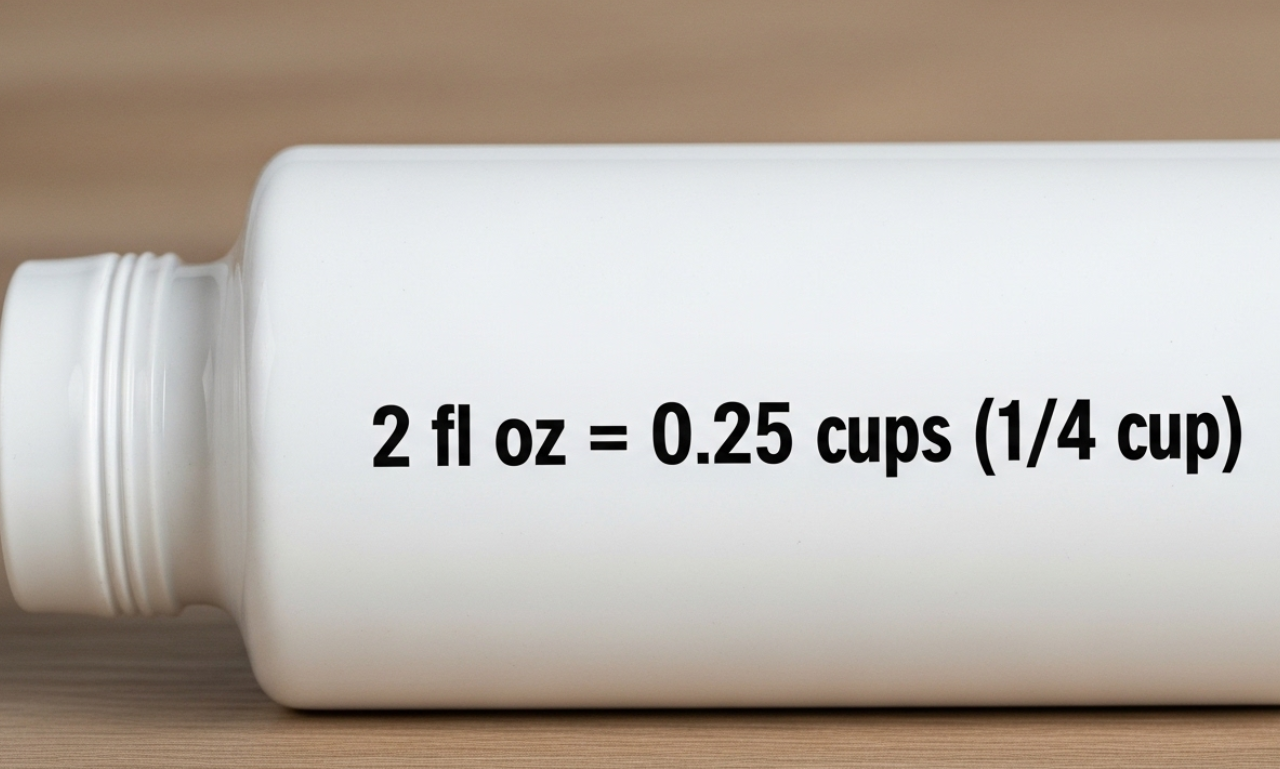
In cooking and baking, precise measurements are essential to achieve the perfect results. Many recipes list ingredients in ounces (oz), while others use cups. Understanding how to convert oz to cu ps is crucial for both novice and experienced cooks. This guide will explain the standard conversions, provide practical examples, and offer tips to make measurement conversions easy and accurate.
Understanding Ounces and Cups
What Is a Fluid Ounce?
A fluid ounce (fl oz) measures liquid volume, not weight. In the United States, 1 US fluid ounce equals 29.5735 milliliters. Fluid ounces are commonly used for liquids such as milk, water, or oil in recipes.
What Is a Cup?
A cup is a larger unit of volume commonly used in cooking. In the United States, 1 cup equals 8 fluid ounces, which is approximately 237 milliliters. Cups are convenient for measuring larger quantities of liquids or dry ingredients.
How to Convert
The conversion formula is simple:
Number of Cups = Number of Ounces ÷ 8
For example:
-
16 oz ÷ 8 = 2 cups
-
24 oz ÷ 8 = 3 cups
-
4 oz ÷ 8 = 0.5 cups
This formula works for all liquid ingredients measured in US fluid ounces.
Practical Examples of Oz to Cups Conversion
Converting Common Liquids
-
Milk: A recipe calls for 32 oz of milk. 32 ÷ 8 = 4 cups.
-
Oil: 12 oz of oil is needed. 12 ÷ 8 = 1.5 cups.
-
Water: 20 oz of water equals 2.5 cups.
Adjusting Recipes
Converting oz to cu ps is particularly useful when scaling recipes. For example, if a cake recipe serves 4 but you want to serve 8, converting ounces to cups helps you accurately double ingredient amounts.
Tips for Accurate Conversion
Use a Measuring Cup
Always use a liquid measuring cup with clear markings. This ensures precise measurements, especially for small quantities.
Check Ingredient Type
While the oz to c ups conversion applies to liquids, dry ingredients like flour or sugar vary in weight. For example, 8 oz of flour is not the same volume as 1 cup. Always check if the recipe specifies fluid ounces or weight ounces.
Digital Conversion Tools
Online converters or kitchen scales can quickly convert oz to c ups for more complex measurements or unusual quantities.
Common Mistakes to Avoid
-
Confusing Fluid Ounces and Weight Ounces: Fluid ounces measure volume, while weight ounces measure mass. Use the correct measurement type for your recipe.
-
Rounding Too Early: Converting ounces to cups may result in decimals. Round only at the final step to maintain accuracy.
-
Assuming All Cups Are Equal: International cup sizes differ. US cups are 8 fl oz, but UK and metric cups are slightly different.
Why Accurate Conversion Matters
Baking Success
Baking is a science. Precise liquid measurements ensure proper consistency, texture, and flavor. Miscalculating ounces or cups can result in soggy, dry, or uneven baked goods.
Cooking Efficiency
Even in cooking, accurate measurements help maintain taste consistency and portion control, especially in soups, sauces, or beverages.
Conversion Table for Quick Reference
| Fluid Ounces (oz) | Cups (US) |
|---|---|
| 1 oz | 0.125 cu ps |
| 2 oz | 0.25 cu ps |
| 4 oz | 0.5 cu ps |
| 8 oz | 1 cu p |
| 16 oz | 2 cups |
| 32 oz | 4 cup s |
| 64 oz | 8 cup s |
This table provides a handy reference for everyday cooking and baking.
Conclusion
Converting oz to c ups is an essential kitchen skill that ensures precision in cooking and baking. By understanding the relationship between fluid ounces and cu ps, using accurate measuring tools, and checking ingredient types, you can avoid common mistakes and achieve consistently excellent results. Whether you’re preparing a cake, soup, or beverage, mastering oz to cu ps conversion makes following recipes easier and more reliable.