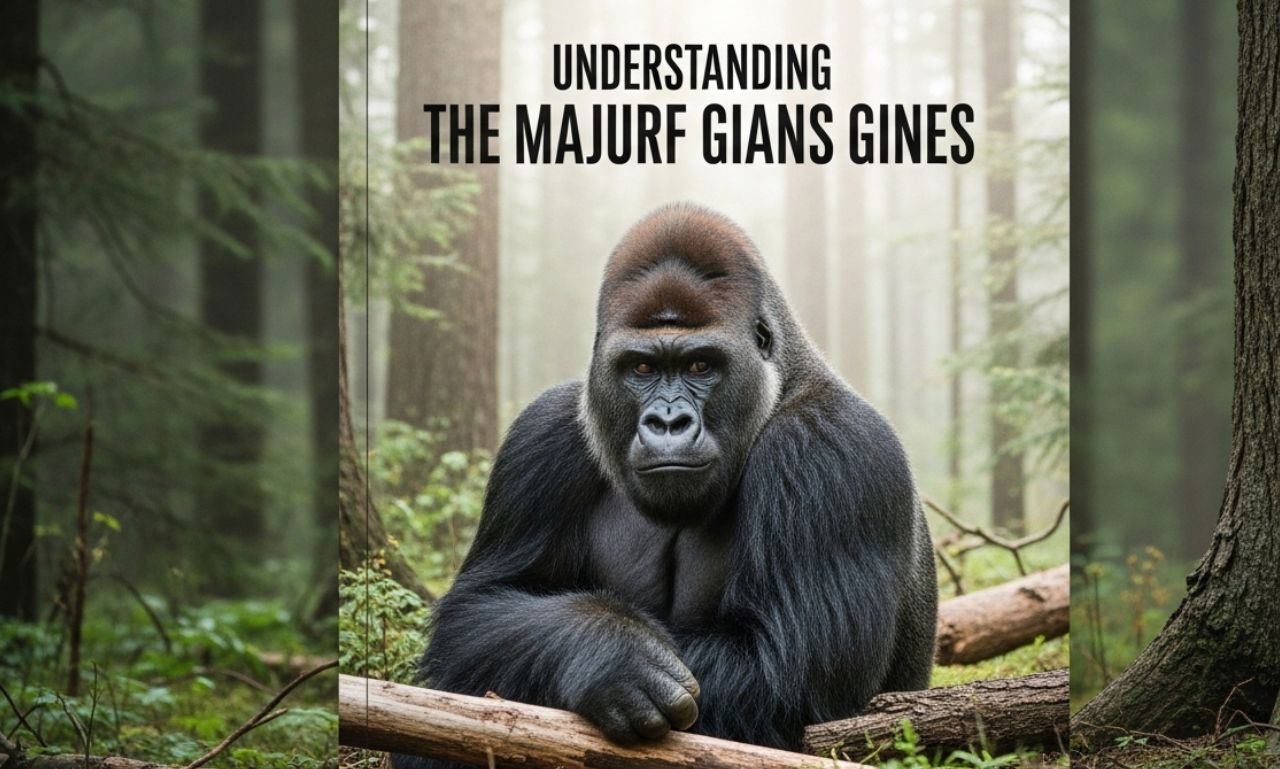
The gorilla is one of the most powerful and intelligent primates in the world. Found in the dense forests of central Africa, the gorilla is a key member of the great ape family, sharing close genetic similarities with humans. Despite its size and strength, the gorilla is known for its gentle nature and complex social behavior. Understanding the gorilla helps us appreciate biodiversity and the importance of wildlife conservation.
Gorilla Classification and Types
The gorilla is divided into two main species, each with its own subspecies. These species differ in size, habitat, and behavior.
Western Gorilla
The western gorilla is the most widespread species. It includes:
- Western lowland gorilla
- Cross River gorilla
This type of gorilla lives in lowland forests and swamp regions, where food is more abundant.
Eastern Gorilla
The eastern gorilla is generally larger and includes:
- Mountain gorilla
- Eastern lowland gorilla
These gorillas live in mountainous and high-altitude regions, adapting to cooler climates and limited food sources.
Gorilla Habitat and Distribution
The gorilla lives in tropical forests, where dense vegetation provides food and shelter.
Natural Habitat
The gorilla prefers:
- Rainforests
- Mountain forests
- Swamp forests
These environments support their herbivorous diet and offer protection from predators.
Geographic Range
Gorillas are found in regions of:
- Central Africa
- Congo Basin
Countries such as Rwanda, Uganda, the Democratic Republic of Congo, Cameroon, and Gabon are home to various gorilla populations.
Physical Features of Gorilla
The gorilla is the largest living primate, known for its strong body and distinctive appearance.
Key Characteristics
- Muscular and broad body
- Long arms compared to legs
- Thick black or brown fur
- Large hands and feet
- Opposable thumbs
Adult male gorillas, known as silverbacks, develop a silver-gray patch on their backs, which signals maturity and leadership within the group.
Gorilla Social Behavior
The gorilla is a highly social animal that lives in structured groups.
Group Structure
A typical gorilla group includes:
- One dominant silverback
- Several adult females
- Young gorillas
The silverback protects the group and makes important decisions.
Communication Methods
Gorillas communicate using:
- Grunts and vocal sounds
- Facial expressions
- Body gestures
These forms of communication help maintain group harmony and coordination.
Gorilla Diet and Feeding Habits
The gorilla is primarily herbivorous, feeding on a wide variety of plant-based foods.
Main Food Sources
- Leaves
- Fruits
- Stems
- Bamboo shoots
- Bark
Mountain gorillas consume more leaves due to limited fruit availability in their habitat.
Daily Feeding
Gorillas spend a large portion of their day eating to meet their energy needs. Their digestive system is adapted to process fibrous plant material efficiently.
Intelligence and Emotional Depth of Gorilla
The gorilla is among the most intelligent animals on Earth.
Cognitive Abilities
Gorillas can:
- Solve problems
- Use tools
- Remember locations and individuals
Emotional Behavior
Gorillas show emotions such as:
- Empathy
- Grief
- Joy
These emotional traits highlight the strong social bonds within gorilla groups.
Gorilla Conservation Status
Many gorilla populations are currently endangered due to human activities.
Major Threats
- Habitat destruction
- Illegal hunting (poaching)
- Diseases
- Climate changeDeforestation is one of the biggest threats, reducing the natural habitat of the gorilla.
Conservation Efforts
Efforts to protect gorillas include:
- Wildlife reserves
- Anti-poaching patrols
- Conservation education
- Ecotourism programs
Organizations such as the World Wildlife Fund are actively working to protect gorilla populations and their habitats.
Gorilla and Human Connection
The gorilla shares approximately 98% of its DNA with humans, making it one of our closest relatives.
Scientific Importance
Studying the gorilla helps scientists:
- Understand human evolution
- Analyze behavior and genetics
- Develop conservation strategies
Ecotourism Benefits
Gorilla trekking has become a popular activity in countries like Rwanda and Uganda. This helps generate income for conservation while raising awareness about protecting gorillas.
Gorilla Role in the Ecosystem
The gorilla plays a vital role in maintaining the balance of forest ecosystems.
Seed Dispersal
Gorillas help spread seeds through their droppings, contributing to forest regeneration.
Biodiversity Support
By influencing plant growth, gorillas help maintain biodiversity and ecosystem stability.
Conclusion
The gorilla is a remarkable and intelligent species that plays a crucial role in the natural world. From its social structure to its ecological importance, the gorilla demonstrates strength, intelligence, and emotional depth. However, increasing threats require urgent conservation efforts to ensure its survival. Protecting the gorilla means preserving not only a species but also the health of entire ecosystems.