
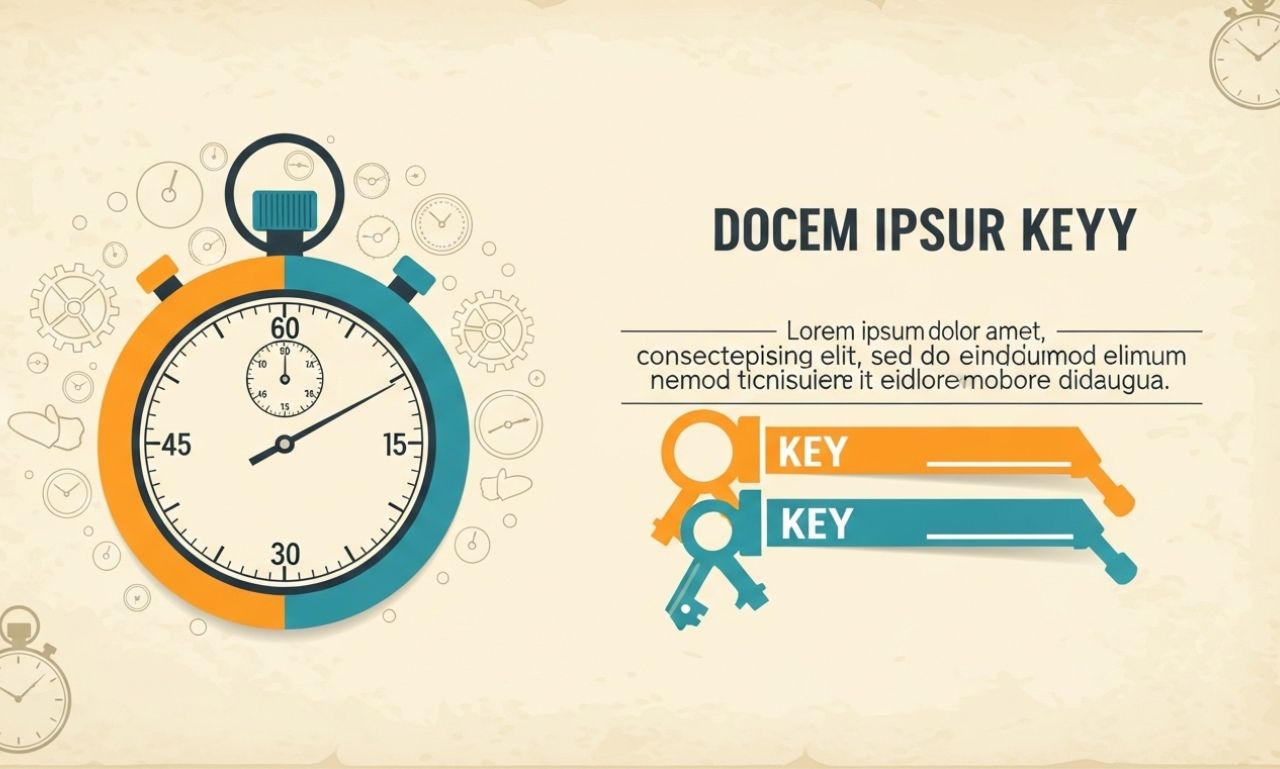
The stopwatch is a specialized timekeeping device used to measure intervals with precision. Unlike regular clocks, which track ongoing time, a stopwatch allows users to start, stop, and reset the measurement of a specific period. This unique functionality makes it an essential tool in many areas, including sports, scientific research, education, and daily life. From timing a sprint to conducting a chemical experiment, the stopwatch provides accuracy that is difficult to achieve with standard timepieces.
History of the Stopwatch
The history of the stopwatch dates back several centuries. Early devices like hourglasses and water clocks allowed people to measure time intervals, but they lacked precision and flexibility. The first mechanical stopwatches emerged in the 18th and 19th centuries, offering more accurate measurement of seconds and fractions of a second.
In 1776, British inventor John Harrison created precise timepieces that influenced modern time measurement. By the 19th century, mechanical stopwatches were widely used in laboratories, factories, and athletic events. The 20th century saw the rise of digital stopwatches, which enhanced accuracy, introduced lap timers, and made the devices more accessible to a broader audience.
How a Stopwatch Works
Mechanical Stopwatches
Mechanical stopwatches operate using a system of gears and springs. Pressing the start button engages the mechanism, moving the hands around a dial. Pressing the stop button halts the hands, allowing the user to read the elapsed time. A reset button returns the hands to zero. These stopwatches are prized for their reliability and tactile feedback, and they do not require batteries.
Digital Stopwatches
Digital stopwatches measure time electronically and display it on an LCD or LED screen. They often include advanced features like split timing, countdowns, alarms, and memory recall. Digital models are widely used in sports, laboratories, and classrooms due to their precision and versatility.
Applications of the Stopwatch
Sports and Fitness
The most common use of the stopwatch is in sports. Coaches, referees, and athletes rely on it to measure performance in track and field, swimming, cycling, and other activities. Accurate timing ensures fairness, tracks improvements, and provides data for performance analysis. Lap timers allow detailed evaluation of each segment in races, helping athletes optimize their pace. Modern sports watches often integrate stopwatch functionality with GPS tracking and heart rate monitoring.
Scientific Experiments
Stopwatches are essential in scientific research. Accurate measurement of reaction times, chemical processes, or physical phenomena often depends on precise timing. Using a stopwatch ensures data reliability and consistency, which is crucial in experimental design and analysis.
Education
In educational settings, stopwatches help students understand the concept of time and measurement. Teachers use them for experiments, timed tests, and classroom activities. Using a stopwatch encourages hands-on learning and develops students’ awareness of time management.
Everyday Life
Stopwatches are useful in everyday life as well. From cooking and meditation to time-bound tasks and productivity challenges, the ability to measure specific intervals can improve efficiency. Smartphones and smartwatches have made stopwatches widely accessible, allowing almost anyone to measure time accurately with a simple tap.
Features to Consider When Choosing a Stopwatch
When selecting a stopwatch, consider these factors:
-
Precision – Look for at least 1/100th of a second accuracy for professional timing.
-
Display – Digital displays are easier to read, while analog dials offer classic aesthetics.
-
Lap/Split Timing – Useful for sports or experiments requiring segmented timing.
-
Memory Storage – Some digital stopwatches store previous timing data for analysis.
-
Durability – Water-resistant models and robust casing are important for outdoor or high-intensity activities.
Stopwatch vs Timer: Key Differences
Though often confused, stopwatches and timers serve different purposes. A stopwatch counts upward from zero to track elapsed time, while a timer counts downward from a set duration to zero. Understanding this distinction helps users choose the right tool for their needs.
The Evolution of Stopwatch Technology
Stopwatches have evolved significantly:
-
Mechanical Era: Reliance on gears and springs for precise time measurement.
-
Digital Era: Electronic circuits enhanced precision, introduced lap functions, and improved portability.
-
Smart Devices: Smartphones and smartwatches integrate stopwatch features with data logging, GPS, and fitness tracking.
This evolution has made stopwatches more accurate, user-friendly, and versatile.
Famous Uses of Stopwatches
Some notable applications of the stopwatch include:
-
Olympics: Measuring athletes’ performances down to fractions of a second.
-
Scientific Research: Timing chemical reactions and physical experiments accurately.
-
Speed Records: Validating achievements in swimming, running, and motorsports.
These examples illustrate the stopwatch’s critical role in measuring human achievement and scientific precision.
Conclusion:
The stopwatch is a small but powerful tool that has evolved from mechanical ingenuity to digital innovation. Its applications span sports, science, education, and everyday life, making it an essential device for anyone needing precise time measurement. Whether timing a race, conducting an experiment, or managing personal tasks, the stopwatch provides the accuracy and reliability necessary for success. Its enduring relevance highlights the human desire to measure, understand, and optimize time.