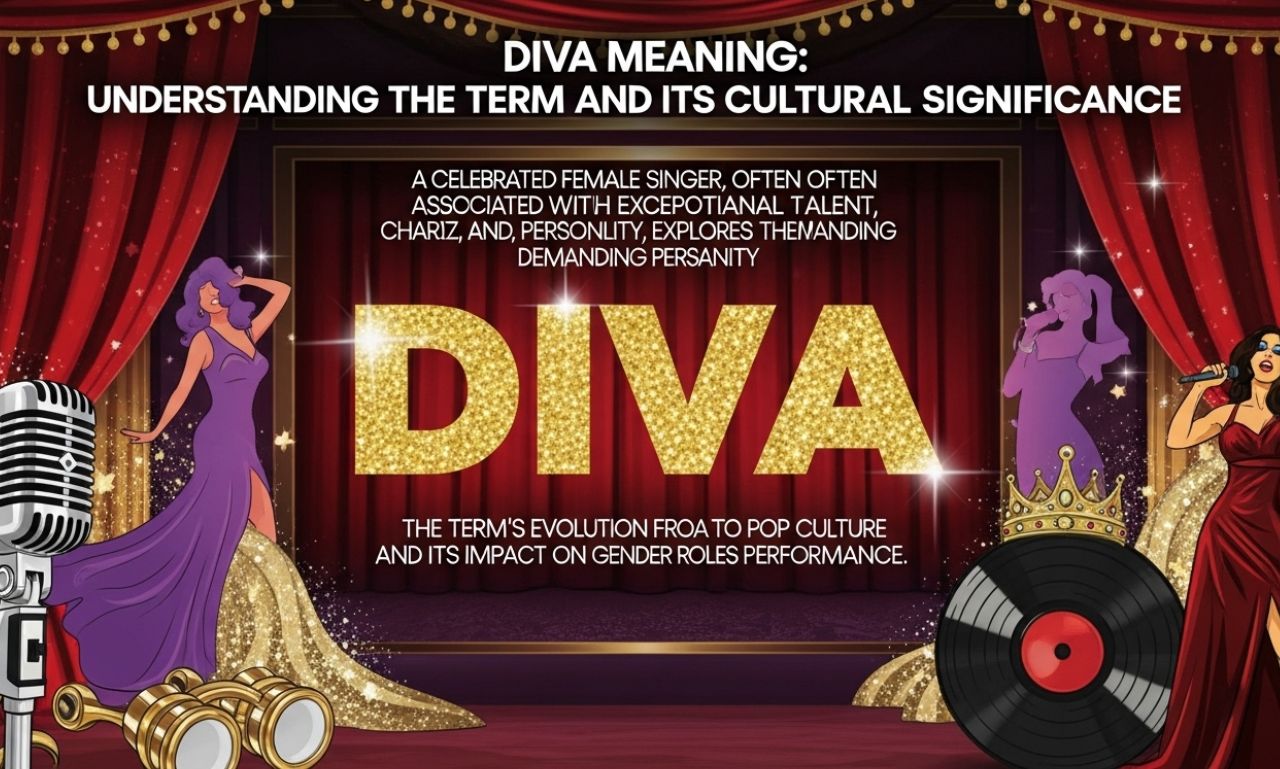
The term diva is widely used today, but its meaning has evolved over time. Originally associated with opera and exceptional female performers, the word now carries multiple connotations in popular culture, fashion, and everyday conversation. Understanding the diva meaning can help clarify its use in different contexts.
The Original Meaning of Diva
The word diva comes from the Italian word for “goddess” or “female deity.” Historically, it referred to celebrated female opera singers who were recognized for their extraordinary talent, commanding presence, and artistry. Being called a diva was a mark of respect, denoting someone who was exceptional in their field and often influential within the artistic community.
Characteristics of a Traditional Diva
-
Exceptional skill in singing or performing
-
Strong stage presence and charisma
-
Influence and respect in the artistic community
-
Dedication to craft and professional excellence
Modern Usage of Diva
Today, the term diva has expanded beyond opera to include singers, performers, celebrities, and even everyday individuals. The meaning can be positive or negative depending on context.
Positive Connotations
When used positively, a diva is seen as:
-
Confident and assertive: Someone who knows their worth and is unapologetic about it
-
Talented and inspiring: A person who excels in their field and motivates others
-
Fashionable and glamorous: Often associated with style, elegance, and a strong personal brand
For example, stars like Beyoncé and Mariah Carey are often referred to as divas because of their talent, confidence, and influence in the music industry.
Negative Connotations
Sometimes, diva is used to describe:
-
Temperamental or demanding behavior
-
Overconfidence or arrogance
-
Unreasonable expectations of others
In these cases, the term may carry a cautionary tone, suggesting that the individual’s personality or behavior can be difficult to manage.
Diva in Popular Culture
The concept of a diva has permeated fashion, music, and entertainment. Reality TV, celebrity culture, and social media have all contributed to the modern interpretation. The term is often used in headlines, biographies, and interviews to describe women who are influential, glamorous, or outspoken.
Examples in Music
-
Madonna: Often called a diva for her influence, reinvention, and stage performances
-
Whitney Houston: Celebrated for her vocal mastery and impact on the music industry
-
Adele: Known for her talent, authenticity, and commanding presence
Examples in Everyday Life
The term has also entered casual usage, describing anyone—regardless of career—who exhibits diva-like qualities such as confidence, assertiveness, or flair for dramatics.
How the Meaning Has Evolved
From its origins as a term of respect for exceptional female performers, diva has grown to represent a broader concept of female empowerment, talent, and confidence. While the word can still imply difficult behavior in some contexts, the modern usage often celebrates strong, influential women.
Conclusion
The diva meaning is multifaceted. Originally signifying a female opera star with extraordinary talent, today it also refers to anyone, particularly women, who demonstrates confidence, skill, and influence. Depending on context, it can be both a compliment and a critique, but it remains a powerful term in music, entertainment, fashion, and everyday life.