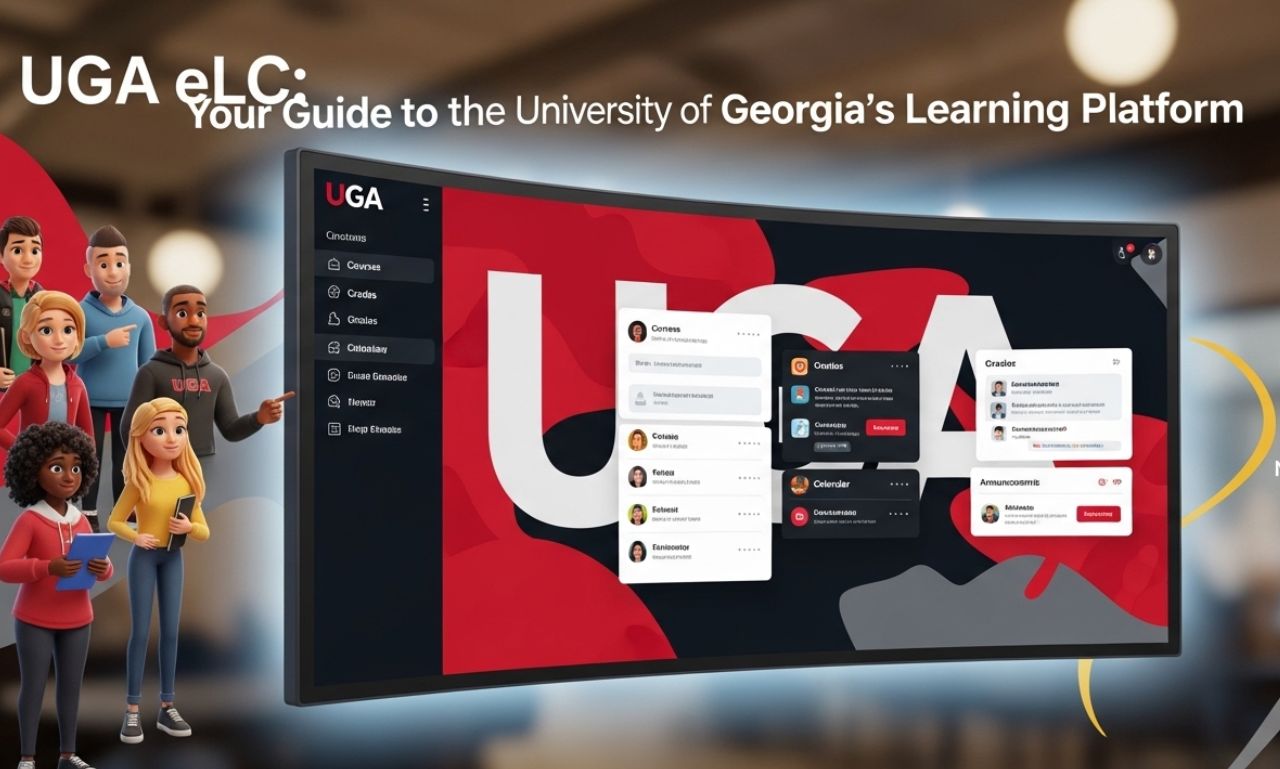
If you’re a student or faculty member at the University of Georgia (UGA), you’ve likely asked, “what is UGA eLC?” The term UGA eLC refers to the university’s official online learning management system that supports course delivery, communication, and academic workflow. This platform plays a central role in modern teaching and learning at UGA, providing a centralized digital space where instructors can post materials and students can access assignments, grades, and discussions.
What Is UGA eLC?
The term UGA eLC stands for eLearning Commons, which is the University of Georgia’s official online learning environment. It serves as a learning management system (LMS) powered by Brightspace, a platform developed by D2L (Desire2Learn). This system is used by students, instructors, and administrators alike to manage all aspects of academic courses — whether they are in-person, hybrid, or fully online.
UGA eLC offers a centralized digital hub where course materials, assignments, interactive discussions, quizzes, and grading information are organized and accessible. Once students register for classes, they automatically receive access to the corresponding UGA eLC course pages without any additional setup.
How UGA eLC Works
Navigation and Access
To access UGA eLC, students and faculty log in using their UGA MyID credentials through the official portal. The eLC dashboard presents personalized course listings, upcoming deadlines, and essential academic tools in an intuitive layout.
Course Materials and Resources
Within UGA eLC, instructors can upload lecture notes, reading materials, presentation slides, videos, and other study resources. Students can browsethese materials at their convenience, making it easier to stay organized and prepared for class activities.
Assignments and Assessments
One of the key features of UGA eLC is assignment submission. Students can upload essays, reports, and project files directly through the platform. Instructors, in turn, can grade assignments and provide detailed feedback without leaving eLC.
UGA eLC also supports online quizzes and exams, with flexible formatting options — such as multiple choice, short answer, and essay questions — to accommodate different testing needs.
Communication and Collaboration Tools
UGA eLC includes built‑in communication features that help students and instructors stay connected. These tools foster engagement and make academic collaboration more efficient:
-
Announcements: Faculty can post course updates, reminders, or deadline changes that are instantly visible to enrolled students.
-
Discussion Boards: Students can participate in threaded discussions, ask questions, and engage with peers or instructors as part of coursework.
In addition, messaging and feedback tools allow direct communication between instructors and students, enhancing the educational experience.
Mobile and Remote Accessibility
UGA eLC is not limited to desktop use — the platform is mobile‑friendly and can be accessed via the Brightspace Pulse app, making it possible to check assignments, announcements, and course updates on the go. This flexibility ensures that students can stay connected with their academic responsibilities even while away from campus.
Benefits of Using UGA eLC
Centralized Learning Environment
One of the biggest advantages of UGA eLC is its ability to bring all course elements together in a single space. This centralization helps both students and instructors stay organized and focused throughout the academic term.
24/7 Access to Course Content
Because UGA eLC is hosted online, students have round‑the‑clock access to lectures, readings, and assignments. This means you can study or submit work anytime — a critical feature for busy students or those balancing school with jobs or family commitments.
Enhanced Collaboration
UGA eLC promotes collaborative learning through its interactive discussion forums and communication tools. Students can work together on group projects, ask questions, and participate in academic conversations regardless of physical classroom schedules.
UGA eLC for Different Learning Models
UGA eLC supports multiple instructional approaches:
-
Traditional classroom classes: eLC provides supplementary materials that support in‑person learning.
-
Hybrid courses: Instructors can blend online resources with classroom instruction seamlessly via the platform.
-
Online programs: Fully remote courses use eLC as the primary classroom environment for all coursework interaction.
Technical Support and Training
Students and faculty who encounter challenges with UGA eLC have access to various support options. The UGA Center for Teaching and Learning (CTL) offers guides, workshops, and help resources designed to improve users’ understanding of the platform. Additionally, Enterprise Information Technology Services (EITS) provides technical assistance for login issues, system errors, or other LMS problems.
Future of UGA eLC
As digital learning becomes increasingly important in higher education, platforms like UGA eLC are expected to evolve and adapt. New features, integrations with multimedia tools, and enhanced mobile experiences are likely as UGA continues modernizing its academic technology infrastructure, ensuring the platform remains an essential part of student success.
Conclusion
In summary, UGA eLC is more than just a course portal — it’s a comprehensive academic environment that supports teaching, learning, communication, and collaboration at the University of Georgia. With features that enhance organization, accessibility, communication, and academic performance tracking, eLC serves as a central educational hub for students and faculty alike. Whether you’re new to UGA or planning to enroll, understanding how UGA eLC works will help you succeed in your academic journey.